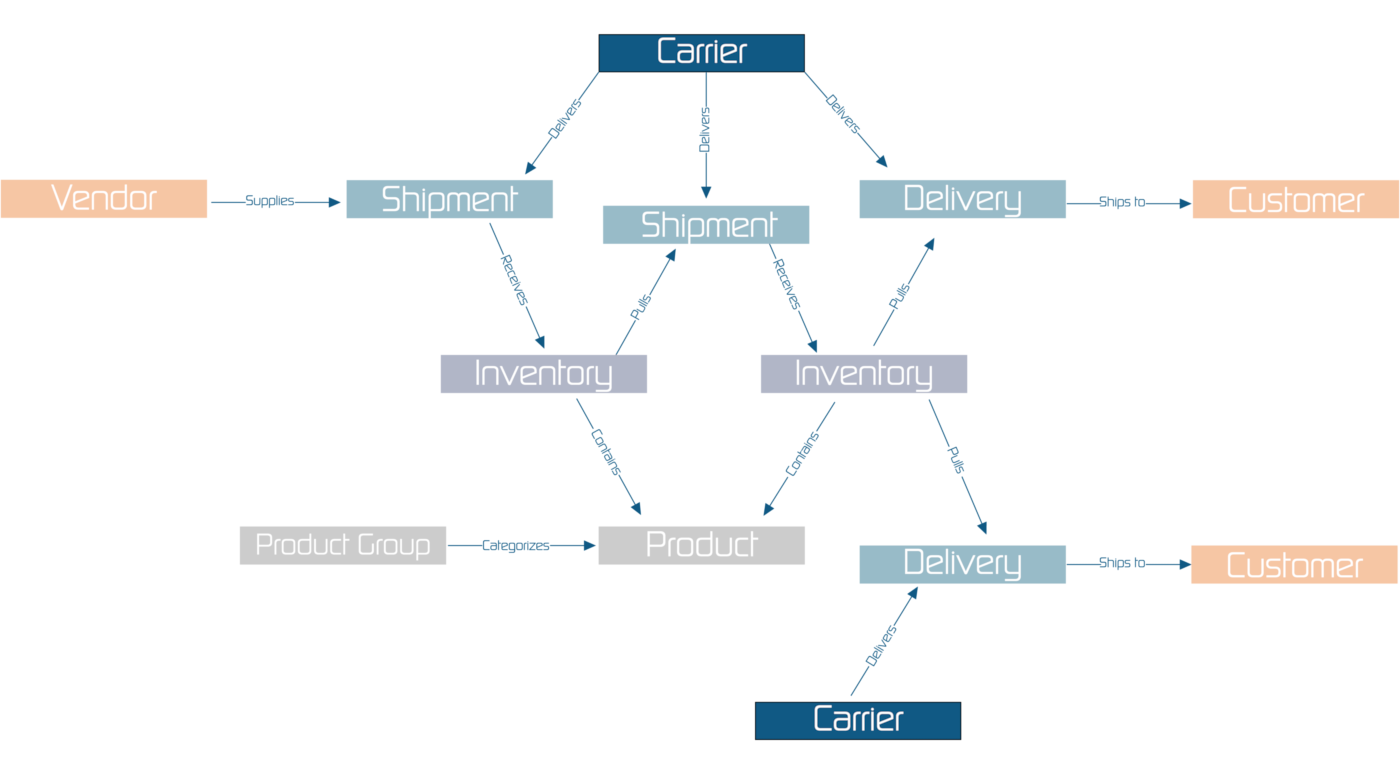
Instead of storing data in isolated tables or silos, a Knowledge Graph represents information as an interconnected network of entities and relationships — creating a living map of your organization's knowledge.
The data tells its own story through its connections allowing you query data the way you think about it:
Nodes: The "What": Nodes represent the entities in your data such as:
Each node contains properties, the specific attributes that describe it (like name, date, status, or any other relevant information).
Relationships: The "How": are the connections between nodes, carrying meaning and context:
Relationships can also have properties (like start date, or component type), adding even more context to the data.
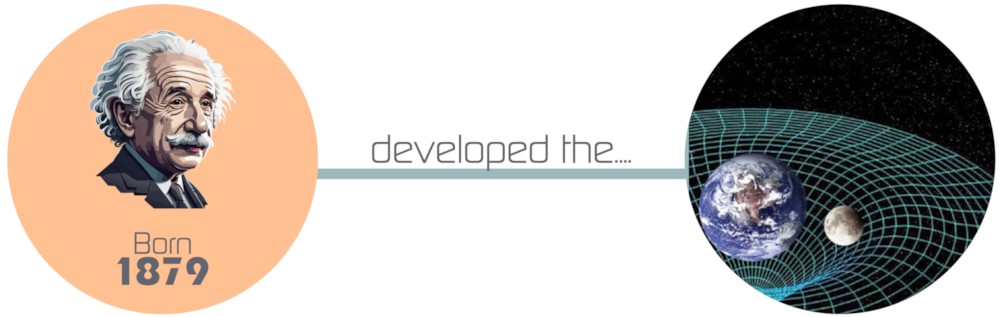
What makes Knowledge Graphs special is their inclusive design. The visual, network-based structure makes sense to both technical and non-technical users. Anyone that can understand a relationship diagram or a family tree, can easily work with a Knowledge Graph.
Knowledge Graphs are dynamic and self-synchronized. When new information enters your system or existing data changes:
What makes Knowledge Graphs special is their inclusive design. The visual, network-based structure makes sense to both technical and non-technical users. Anyone that can understand a relationship diagram or a family tree, can easily work with a Knowledge Graph.
Knowledge Graphs are dynamic and self-synchronized. When new information enters your system or existing data changes: